Whale Shark
Scientific name: Rhincodon typus
Endangered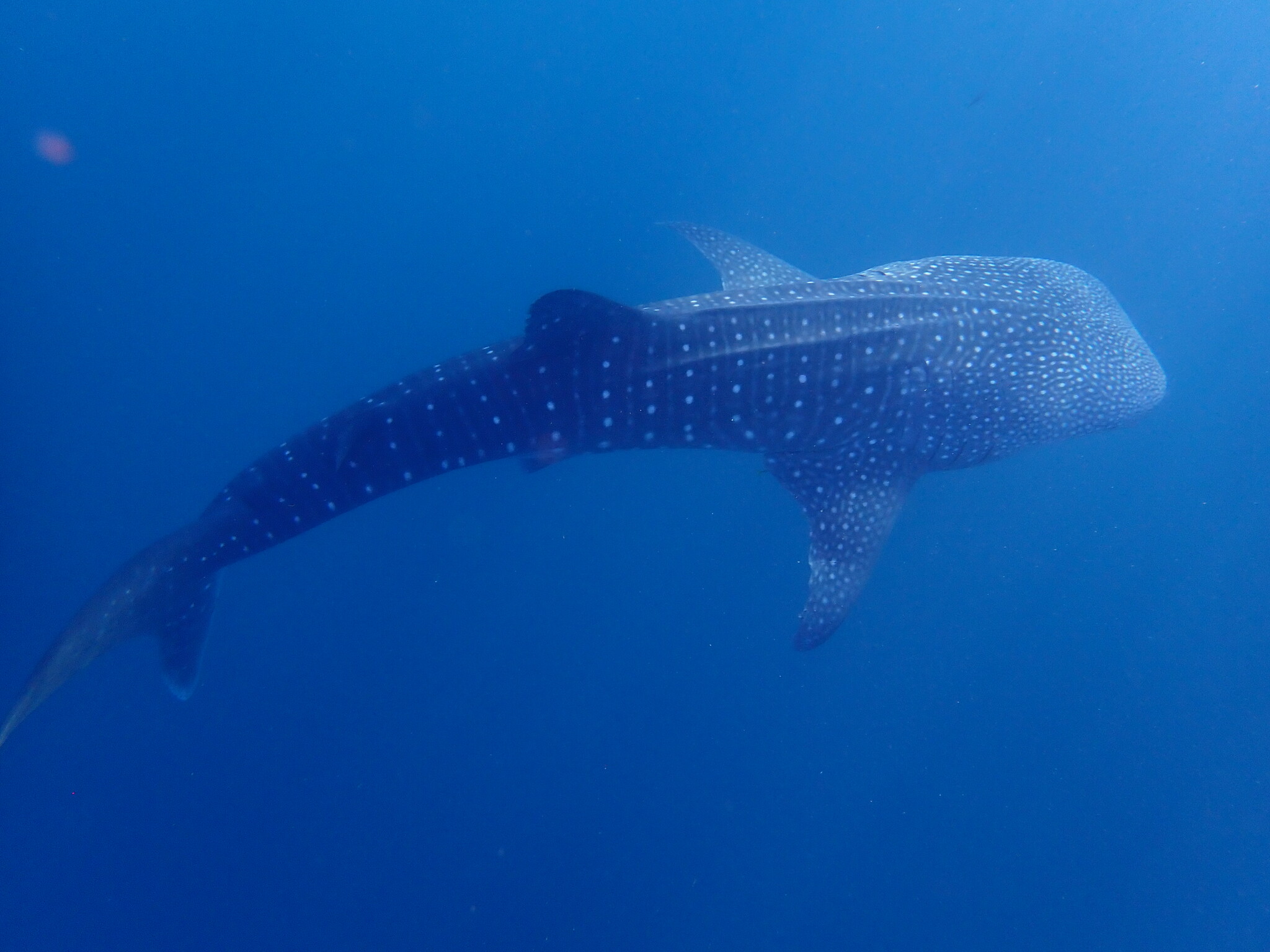
Common name: Whale Shark
Scientific name: Rhincodon typus
Conservation status: Endangered
Primary range: Tropical and warm-temperate oceans worldwide
Diet: Plankton, small fish, fish eggs, krill, and other small organisms
About the Whale Shark
Whale sharks are the largest fish in the world. They can grow to approximately 40 feet long and spend nearly eight hours a day swallowing about 10,000 gallons of ocean water.
A whale shark needs to travel around 5,000 miles per year to find enough food to satisfy its appetite. Whale sharks feed while swimming vertically in areas where there is an abundance of prey, allowing them to catch as much food as possible in their mouths.
Habitat and Range
Whale sharks can be found all around the globe. They typically live in warm, tropical waters and have a tendency to migrate.
The southernmost parts of a whale shark’s habitat are the waters around southern Africa and Australia. The waters around Boston and New York are the northernmost parts of a whale shark’s habitat; any farther north would be too cold for whale sharks.
Habitat Characteristics:
- Tropical waters around the globe
Physical Characteristics
The biggest whale shark on record was nearly 62 feet long and weighed more than 33,000 pounds. Whale sharks’ skeletons are not made of bones; instead, they are made of cartilage, which makes it easier for them to swim quickly and use less energy.
Common physical attributes:
- “Checkboard” color pattern of light spots and stripes
- Grayish, bluish, brownish coloration under the spots and stripes
- White bellies
Diet and Behavior
Whale sharks are filter feeders that swim forward to swallow their prey and do not use their teeth for eating. As carnivorous creatures, they eat krill, crab and fish larvae but abstain from eating humans.
Behavior:
- Feed at dusk or after dark
- Not aggressive and don’t threaten humans
Major Threats
The whale shark population is currently declining, and whale sharks are listed as endangered on the IUCN Red List. However, it is believed that whale sharks are almost one-third of the way toward full recovery, so progress is being made.
Threats Whale Sharks Face:
- Vessel strikes
- Bycatch
Conservation Efforts
The World Wildlife Fund has supported whale shark tourism in the Philippines since 1998. It has educated tourists about codes of conduct for swimming with whale sharks and raised awareness among tour boat operators about shark movements.
Conservation Efforts That Have Been and Can Be Taken:
- Studying shark habits
- Tracking whale sharks
Why the Whale Shark Matters
Whale sharks contribute to their environment by preventing the overgrowth of plankton and algae. If there were excessive amounts of plankton or algae, the amount of sunlight and oxygen in the water would decrease.
There are also parasites that live on whale sharks’ skin, which help provide food for a range of smaller fish. These fish also swim in close proximity to whale sharks, which helps protect them from other predators.
Conservation Challenges
The demand for whale sharks on the international market is very high. Their meat, fins, and oil, in particular, are highly sought after by unregulated fisheries.
Challenges They Face:
- Finning
- Tourism
- Climate change