Amur Leopard
Scientific name: Panthera pardus orientalis
Critically Endangered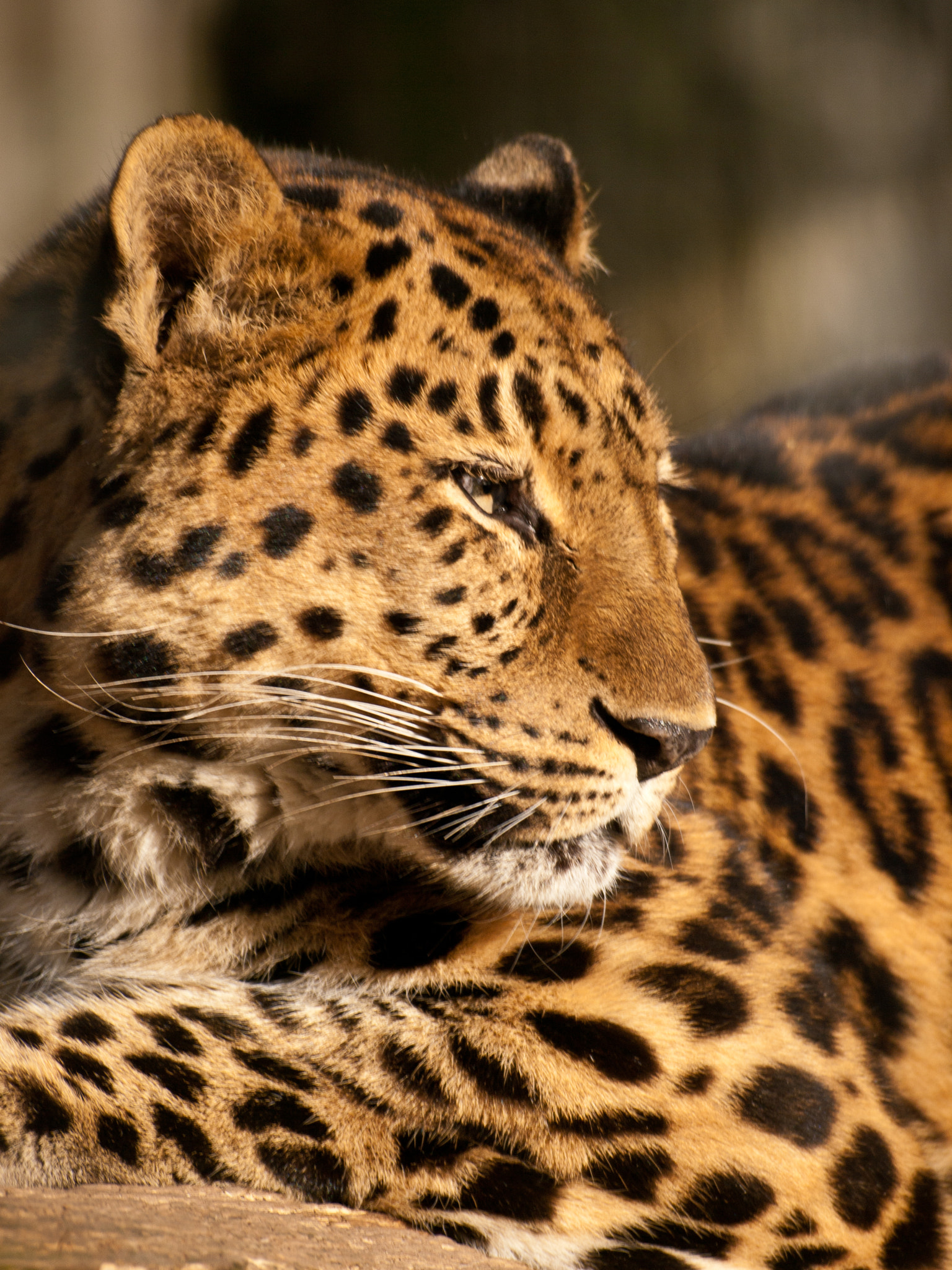
Common name: Amur Leopard
Scientific name: Panthera pardus orientalis
Conservation status: Critically Endangered
Primary range: Russian Far East and northeastern China
Diet: Carnivorous
About the Amur Leopard
Known as the world’s rarest leopard, Amur leopards were previously found in Korea and further east, but now mainly inhabit eastern Russia and northern China. Amur leopards get their name from the Amur River, a river that borders China and Russia.
In recent times, the Amur leopard population has started to increase due to the creation of a national park called the Land of the Leopard National Park, which was established in 2012. Their population was previously in the 30s but increased to around 80 in 2018. More conservation efforts are being taken so that the leopards can continue to repopulate.
Habitat and Range
Historically, the Amur leopard was found in northeastern China, southern Primorsky Krai in Russia, and the Korean Peninsula. Unfortunately, because of habitat loss and hunting, the Amur leopard’s range decreased during the 20th century.
Today, Amur leopards occupy Southwest Primorye in the Russian Far East and areas along the Russian border with Heilongjiang and Jilin provinces in northeastern China.
Habitat Characteristics:
- Temperate forests
- Harsh winters with extreme cold and deep snow
- Hot summers
- Remote mountains
Physical Characteristics
Amur leopards have thick fur that is a light cream color which becomes even lighter during the winter. Its fur is what distinguishes Amur leopards from other leopards.
Common physical attributes:
- Female Amur leopards weigh between 50 and 90 lbs
- Male Amur leopards range from 42 to 54 inches and weigh between 70 and 100 lbs
- Have large paws
- Rosettes are widely spaced and bigger than the ones on other leopards
Diet and Behavior
Wild boar, roe deer, sika deer, badgers and hares are some of the animals that make up the diet of the Amur leopard. The carnivorous species also indulges in elk, mice, and occasionally, young black bears.
Behavior:
- Hunts at nighttime
- Requires large territories to avoid competing for prey
- Silently stalks their prey then quickly ambushes them at speeds of up to 35 mph
- Carries and hides prey so that it’s not taken by other predators in the wild
Major Threats
Their status as the world’s rarest leopard is due to the numerous threats that Amur leopards face. Changes to their habitat, as well as hazards that regularly impact their species, have caused their population to dwindle to fewer than 100 individuals.
Threats Amur Leopards Face:
- Poaching
- Forest fires that cause habitat loss
- Development that causes habitat fragmentation
- Diseases such as Canine Distemper Virus (CDV)
Conservation Efforts
China and Russia have both taken action to protect the Amur leopard. Since 1980, China has established many protected areas for the Amur leopard in northeastern China and has set up a captive breeding program. In addition, Russia has founded numerous nature reserves that many Amur leopards now call home.
Conservation Efforts That Have Been and Can Be Taken:
- Local communities being encouraged to report poaching activities
- Taking action to restore degraded forests in the Amur leopard’s range
- Farmers receiving compensation when leopards decrease the population of their livestock
Why the Amur Leopard Matters
As apex predators, Amur leopards are an integral part of the food chain. Their presence helps maintain balance among prey species such as deer and badgers.
Without Amur leopards, prey species could become overpopulated, causing disruptions within their ecosystem. Amur leopards also share their habitat with Amur tigers, so failing to protect their habitat could negatively impact Amur tigers as well.
Conservation Challenges
As more of their habitat and population decreases, it has become much harder to protect the Amur leopard. These factors have made the leopards more susceptible to disease and infections.
Challenges They Face:
- Logging
- Inbreeding
- Disease