Snow Leopard
Scientific name: Panthera uncia
Vulnerable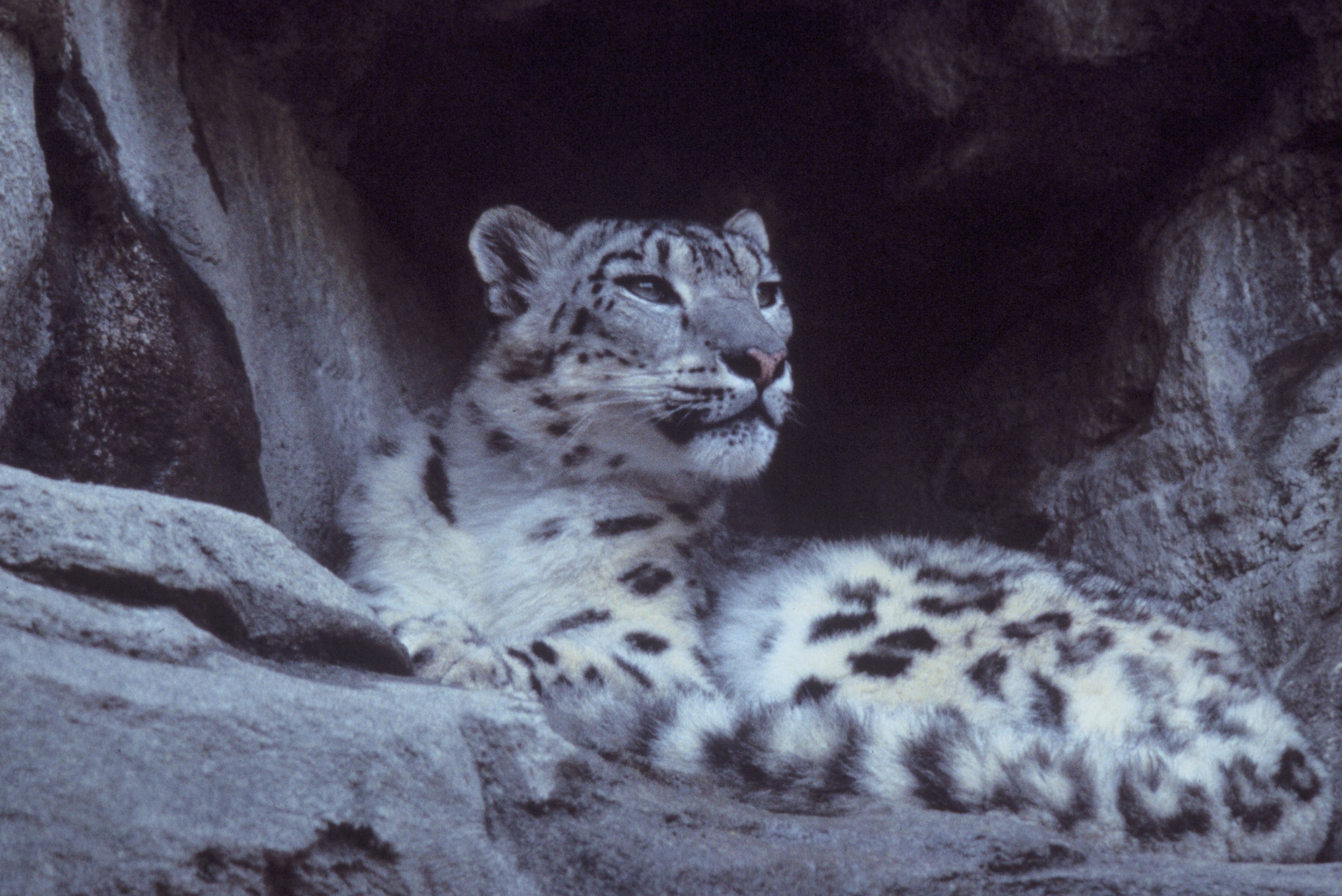
Common name: Snow Leopard
Scientific name: Panthera uncia
Conservation status: Vulnerable
Primary range: Mountain ranges of Central and South Asia
Diet: Wild sheep, goats, deer, marmots, and other animals
About the Snow Leopard
Because of their elusive and shy nature, snow leopards are known as the “ghosts of the mountains.” Snow leopards have thick, gray-and-yellow fur with solid spots on their heads, necks, and lower limbs.
The color of snow leopards’ coats camouflages them against the snowy, rocky environments they inhabit. Snow leopards also have large, furry paws that function as padding on sharp rocks as well as snowshoes.
Habitat and Range
The snow leopard’s range covers approximately 2 million square miles, which is roughly half the size of Greenland. Snow leopards currently inhabit 12 countries in Central Asia.
Snow leopards typically move throughout their home ranges to hunt and leave markings that discourage other cats from encroaching on their territory. They generally travel along ridge lines and the bases of cliffs and have been known to make long treks beyond their home ranges over short periods of time.
Habitat Characteristics:
- Rocky outcrops
- Ravines
- Broken terrain of cliffs
Physical Characteristics
Female snow leopards range from 60–120 pounds, while male snow leopards range from 100–155 pounds. Snow leopards are smaller than other large cats, but they have adapted well to living in a harsh mountain habitat.
Common physical attributes:
- Grey and yellow-tinged fur
- Solid spots on their head, neck, and lower limbs
- Thick tails
- Short forelimbs and long hind limbs
Diet and Behavior
As a carnivorous species, snow leopards eat blue sheep, deer, marmots, ibex, and other small mammals. If these food sources become difficult to find, snow leopards may instead prey on livestock.
Behavior:
- Nocturnal
- Solitary
- Cannot roar
Major Threats
Scientists currently believe that only 3,500 to 7,000 snow leopards remain in the world. Snow leopards face many threats to their survival, but as apex predators, they are not typically hunted by other predators; humans are their primary predator.
Threats Snow Leopards Face:
- Poaching
- Climate change
- Illegal wildlife trade
Conservation Efforts
The World Wildlife Fund helps preserve the snow leopard population through partnerships with governments, enforcement agencies, local communities, and more. These efforts also extend to online communities through the World Wildlife Fund’s work with global e-commerce, social media, and technology companies as part of the Coalition to End Wildlife Trafficking Online.
Conservation Efforts That Have Been and Can Be Taken:
- Conservation Education such as annual Snow Leopard Day celebrations
- Supporting mobile anti poaching activities
Why the Snow Leopard Matters
Snow leopards help regulate the populations of mountain sheep and goats by consuming them. The balance of the ecosystem would be disrupted if the snow leopard population dwindled because their prey populations would increase, which could lead to changes in vegetation and affect other wildlife that live in the area.
In addition, protecting the snow leopard population can help support human well-being. The mountainous landscape where they live contains river systems that provide water for more than 2 billion people around the world.
Conservation Challenges
Despite efforts to preserve the snow leopard population, snow leopards are still targeted by herders and poachers. Poachers sell snow leopard hides and bones for thousands of dollars, while herders do not hesitate to harm snow leopards if they attack their livestock.
Challenges They Face:
- Retaliatory killings
- Habitat fragmentation