Vaquita
Scientific name: Phocoena sinus
Critically Endangered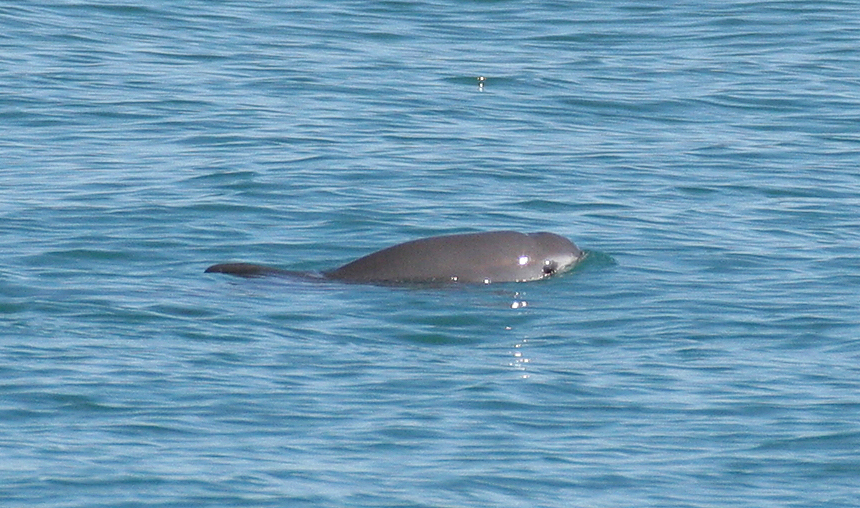
Common name: Vaquita
Scientific name: Phocoena sinus
Conservation status: Critically Endangered
Primary range: Northern Gulf of California, Mexico
Diet: Small fish, squid, crustaceans, and other small marine animals
About the Vaquita
With only around 10 individuals left in the wild, vaquitas are the world’s rarest marine mammal. Vaquitas only live in the northern part of the Gulf of California, where fishing is a major source of income for locals.
Gillnets used by illegal fishing operations in Mexico’s Gulf of California often catch vaquitas accidentally, contributing to their massive decline over the past couple of years. If a gillnet ban is not fully enforced, it is believed that vaquitas will become extinct within the next few years.
Habitat and Range
Since the vaquita only lives in the northern part of the Gulf of California in Mexico, it has the smallest geographical range of any marine mammal on Earth. The majority of the vaquita population inhabits an area east of the town of San Felipe that is smaller than metropolitan Los Angeles.
This area also contains many fish and shrimp, which sadly attracts a lot of illegal fishermen. In 1993, the Mexican government created the Upper Gulf of California Biosphere Reserve to help protect the vaquita habitat.
Habitat Characteristics:
- Marine habitats
- Where fish, birds, marine mammals reside
Physical Characteristics
At nearly 5 feet long, the vaquita is one of the smallest members of the dolphin family. Male vaquitas have larger fins but are shorter than females.
Common physical attributes:
- Rounded head with no beak
- Small, strong bodies
- Black patches around their eyes
Diet and Behavior
Vaquitas consume small fish, shrimp, and squid. As shy creatures, they typically avoid boats with active engines; otherwise, they are found near the Gulf’s shore.
Behavior:
- Shy
- Found alone or in pairs
Major Threats
Approximately 20% of vaquitas become entangled in gillnets intended for other species and subsequently drown. By the mid-1970s, vaquitas had been severely overfished and continue to be overfished to this day.
Threats Vaquitas Face:
- Gillnets
Conservation Efforts
The World Wildlife Fund has been urging the Mexican government to strictly enforce a ban on gillnet fisheries since 2014. It has also been seeking support from the U.S. and China to help stop the illegal totoaba trade.
Conservation Efforts That Have Been and Can Be Taken:
- Banning all gillnets through the vaquitas’ range forever
- Stopping illegal fishing
Why the Vaquita Matters
There is currently very little knowledge about the vaquita, but scientists still recognize their importance to planet Earth. Vaquitas also help maintain balance within their ecosystem.
As both predators and prey, vaquitas are important to shark and killer whale populations. The disappearance of vaquitas would upset both of these species and cause many changes to their particular ecosystem.
Conservation Challenges
There is a huge demand for totoaba, specifically for their swim bladders, which can sell for around $4,000 per pound. Vaquitas get caught in gill nets intended for totoaba, which contributes to their declining population.
Challenges They Face:
- Bycatch