Asian Elephant
Scientific name: Elephas maximus
Endangered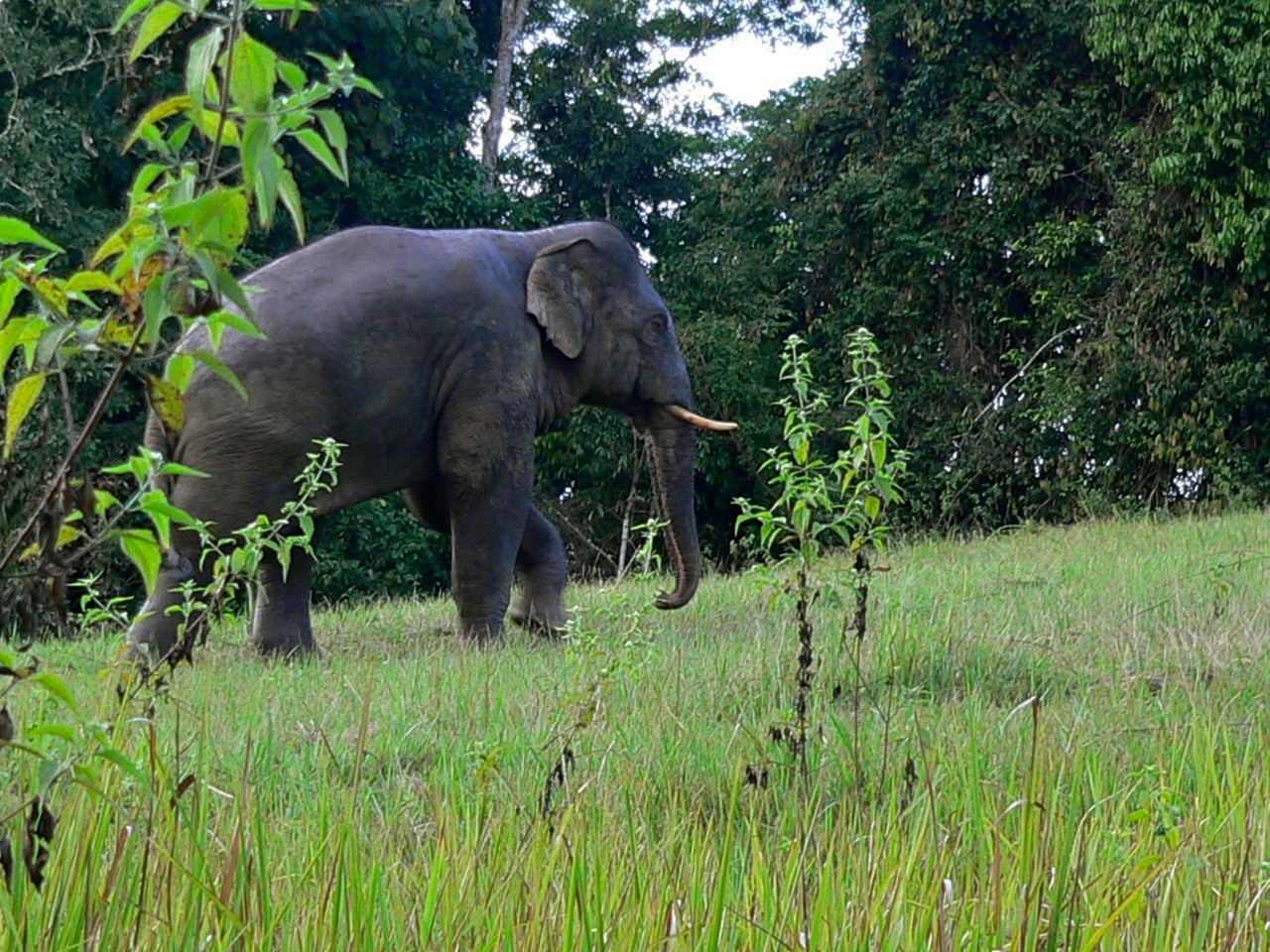
Common name: Asian Elephant
Scientific name: Elephas maximus
Conservation status: Endangered
Primary range: South and Southeast Asia
Diet: Grasses, leaves, bark, roots, fruits, and other vegetation
About the Asian Elephant
The Asian elephant is the largest land mammal in Asia. Asian elephants currently inhabit 13 countries across South and Southeast Asia. There are several recognized populations or subspecies of Asian elephants, including the Bornean, Indian, Sri Lankan, and Sumatran elephants.
It is estimated that there are now only 30,000–50,000 Asian elephants remaining. This decline is largely due to widespread habitat destruction and poaching.
Habitat and Range
Bangladesh, Bhutan, Cambodia, China, India, Indonesia, Laos, Malaysia, Myanmar, Nepal, Sri Lanka, Thailand, and Vietnam are the countries that make up the range of Asian elephants. This species tends to reside in dry to wet forests and grasslands.
The size of Asian elephants’ home ranges varies depending on the food available and the presence of other elephants in the area. Usually, elephants inhabit areas that are close to a source of fresh water because they need to drink at least once a day.
Habitat Characteristics:
- Open spaces
- Has a big variety of plants
- Where there’s enough vegetation and water sources to meet their needs
Physical Characteristics
Asian elephants stand between 6.5 and 11.5 feet tall and weigh approximately 11,000 pounds. They have gray skin and large brains that weigh between 9 and 13 pounds.
Common physical attributes:
- Brown to reddish hair on their bodies
- Large ears
- Smaller than African elephants
- Six sets of teeth, all of which are present from birth
- Tusks
Diet and Behavior
As herbivores, Asian elephants feed mainly on grasses but also eat a lot of tree bark and leaves. Since elephants absorb only about 44 percent of what they consume, they have to eat massive amounts of food—roughly 165 to 330 pounds per day—and drink nearly 50 gallons of water per day.
Behavior:
- Spends about 75% of the day eating or searching for food and water
- Tendency to rest during the hottest hours of the day
- Bananas and sugar cane are also a favored food, which causes conflict with farmers
Major Threats
Asian elephants have faced many threats over the years, which have caused their numbers to dwindle. Sumatran elephants are especially at risk from these threats, and currently, there are only 1,200 individuals remaining on Earth.
Threats Asian Elephants Face:
- Poaching and illegal wildlife trade
- Human-elephant conflict
- Genetic threat from extinction of small populations
- Habitat loss
Conservation Efforts
Organizations around the world are taking action to protect Asian elephants. The WWF is focusing on reducing human-elephant conflict, protecting elephant habitat, and securing healthy forests. In addition, the Conservation Ecology Center has been working with experts to implement new strategies that will help reduce these conflicts.
Conservation Efforts That Have Been and Can Be Taken:
- Conducting anti poaching patrols
- Understanding wild elephant populations and health
- Tracking wild elephants and their movements across Asia
Why the Asian Elephant Matters
Unknown to most, the presence of Asian elephants benefits other wildlife on our planet. Asian elephants create paths through the dense forests they travel through, making it easier for other species to access these areas.
Making an effort to protect Asian elephants and their habitats also helps protect the other animals that coexist with them.
Conservation Challenges
Unfortunately, Asian elephants face numerous threats that make it difficult to preserve their population. These threats not only negatively impact their habitat but also put them in further contact with humans.
Challenges They Face:
- Roads and infrastructure
- Human-elephant conflict
- Illegal wildlife trade
- Climate change
- Slow reproduction
Sources
International Elephant Project — Asian Elephant Facts
International Elephant Project — Threats Facing Asian Elephants
Smithsonian’s National Zoo & Conservation Biology Institute — Asian Elephant
Smithsonian’s National Zoo & Conservation Biology Institute — Asian Elephant Conservation
World Widlife Fund — Asian Elephants
Samui Elephant Haven — Challenges Facing Asia’s Endangered Elephants in 2026